
Silence speaks loudest in a library
“Silence speaks loudest in a library” means that in the quiet atmosphere of a library, silence itself becomes powerful and meaningful. It’s not just the absence of noise it represents focus, respect, and the calm pursuit of knowledge. In that peaceful stillness, readers and thinkers can hear the “voice” of ideas, imagination, and wisdom that books hold.
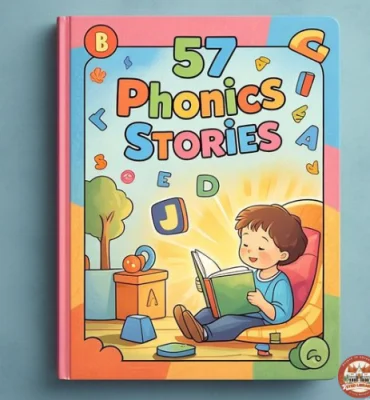
The title appears as “57 Phonics Short Stories Reading Comprehension English Reading for Kids”, described as a set of 57 stories built around phonics for beginner readers. Lazada Philippines+1
The stories are phonics-based they focus on phonetic decoding and reading fluency rather than only sight words. Lazada Philippines+1
One listing has “29 pieces front & back” (suggesting laminated printable material) for children to read. Lazada Philippines
Targeted at early readers kindergarten level (or children just learning to read). Amazon+1
🎯 What Makes It Good
Having 57 separate stories means plenty of practice: consistent exposure helps children build confidence in decoding words.
Phonics-focus: Because the content is designed around phonetic skills (sounds, blending, etc), it supports foundational reading skills rather than only passive recognition.
Format seems flexible (printable/laminated) so it can be used in classroom, home, or small groups.
Story format makes practice more engaging than isolated drills: children are reading meaningful text, not just lists
📝 Usage Tips
- Use one story per session or chapter: After reading, review the phonics patterns in that story (e.g., short vowels, blends, digraphs).
Encourage the reader to decode (“sound out”) rather than guess—emphasize the phonics approach.
After reading a story, ask comprehension questions: what happened, who, where, why? This reinforces reading for meaning, not just decoding.
Rotate the stories: because there are many, you can vary tasks (reading aloud, partner reading, silent reading) to keep engagement high.
Use it in conjunction with phonics instruction: If the phonics patterns (sounds, blends) in a story match what the child has learned recently, it reinforces learning. If a story introduces new patterns, you might pre-teach the pattern first.